1959
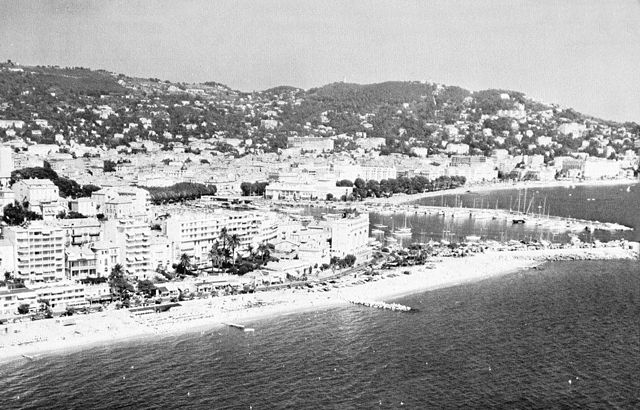
The first Marché du Film is held, coinciding with the 13th annual Cannes Film Festival. It’s a small-scale event, with primarily European film professionals gathering in a single screening room to buy and sell films.
1960s
The market grows in size and global influence, attracting professionals from across the world. The focus remains mainly on European films, with a growing number of American titles.
1970s
The introduction of home video formats (VHS and Betamax) revolutionizes film distribution. The market adapts, with professionals negotiating deals for new distribution channels.
1980s
Home video becomes a major revenue stream for the film industry, further expanding the market. Distribution of both mainstream and independent films increases, reflecting a diverse range of content.
1990s
The emergence of digital technology begins to transform the film industry. Digital filmmaking and editing become more accessible, leading to an influx of independent films at the market.
2000s
The Marché du Film embraces digital technology, with more films being distributed on digital formats, as the DVD surpasses VHS.
2010
To accommodate the rise of streaming platforms and the growing importance of cross-media storytelling the Cross Media Corner is introduced.
2010s
Film distribution becomes predominantly digital. Physical film prints are replaced by digital files, stored and delivered on hard drives or via secure online platforms.
2020
In response to the emerging COVID-19 pandemic, the Marché du Film Online is held virtually. Attendance takes a hit, with 25% fewer participants than 2019’s record-breaking 12,527 attendees.
2022
The market returns for the first time in-person with safety protocols to mitigate the ongoing pandemic.
TODAY
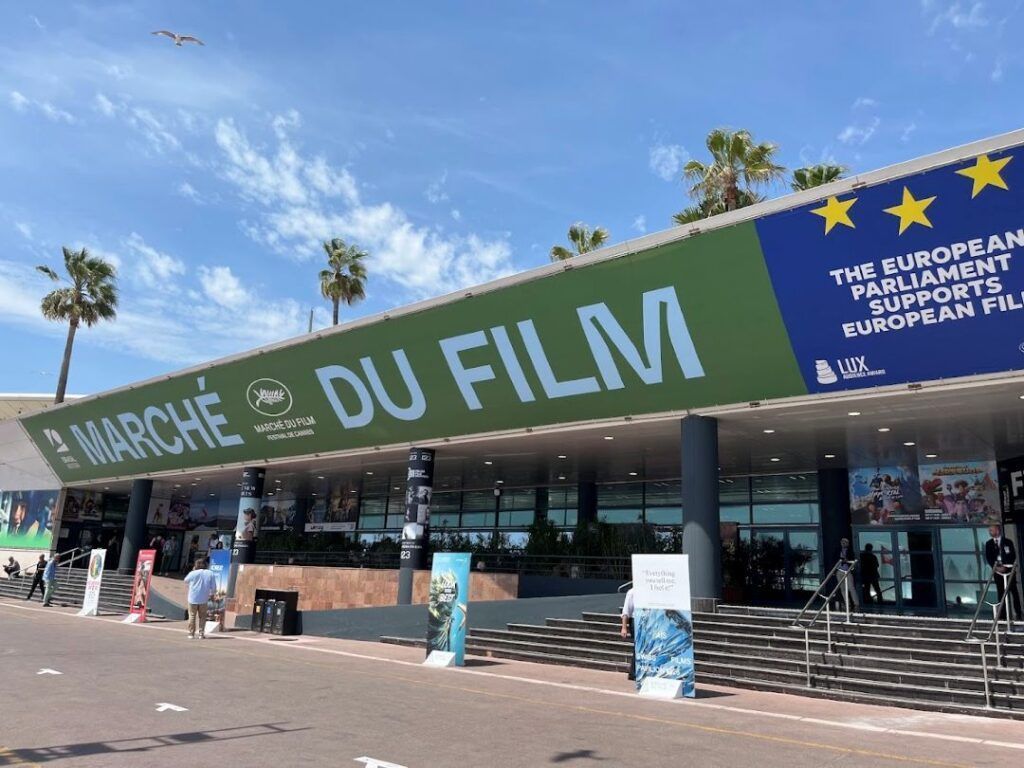
With COVID restrictions loosening globally and promising numbers in the global box office, as well as a plethora of innovative distribution formats available, 2023 is positioned to be one of the most exciting editions of the marché to date. Enjoy!